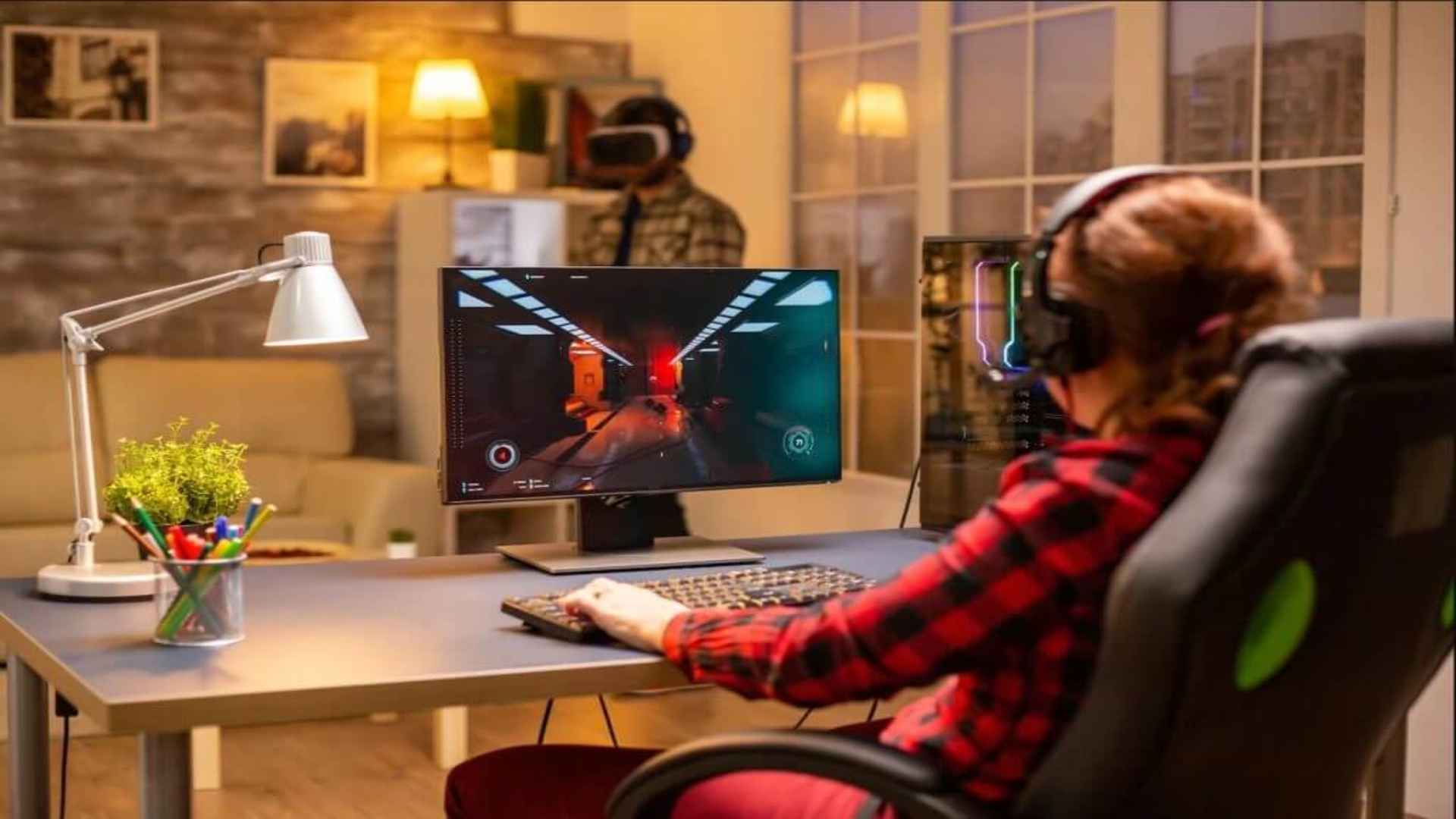
The rapid evolution of digital entertainment has paved the way for groundbreaking changes in how players engage with online table games. Live casino platforms are no longer just duplicating physical studios; instead, they are actively reshaping the betting landscape through the integration of next-generation digital components. This ongoing revolution is establishing a more immersive, secure, and interactive environment for gaming enthusiasts around the globe.
The Role of Next-Generation Streaming Technology
High-definition streaming serves as the baseline for modern live gaming ecosystems, but upcoming platforms are pushing these boundaries much further. Ultra-low latency data transmissions and 4K cameras ensure that every card movement or wheel spin is broadcast with crystal clarity. This technical sophistication eliminates lag, providing a seamless operational flow that mirrors a premium land-based establishment.
Furthermore, multiple viewing angles allow users to personalize their visual experience according to their personal preferences. The integration of advanced optical character recognition instantly translates physical actions into digital data displayed on user dashboards. This ensures complete transparency, giving players full confidence in the integrity of every gaming round.
Artificial Intelligence and Personalized Gaming
Artificial intelligence is becoming a core pillar in building advanced systems for digital entertainment hubs. Machine learning algorithms analyze player behaviors in real time to recommend table limits and specific game variations that match individual profiles. This proactive customization dramatically enhances user engagement by delivering a highly focused streaming selection.
Beyond recommendation engines, smart automation helps operators maintain proper table etiquette and identify technical anomalies instantly. Modern platforms utilize these sophisticated frameworks to foster a safe and trustworthy environment for global communities. For individuals exploring these technological integrations, using reliable networks like M88asia provides an excellent look into how future software systems manage large-scale interactive sessions.
Immersive Environments Through Virtual Realities
The boundary between digital interfaces and physical realities is blurring rapidly due to the introduction of computer-generated simulations. Extended reality tools allow participants to move through virtual casino lobbies and choose their favorite seating options dynamically. This spatial immersion creates a powerful sense of presence that standard computer applications simply cannot duplicate.
Interactive tables built around these formats enable advanced social interactions among participants and live dealers. Players can communicate fluidly through spatial audio systems, making the entire experience far more community-driven. As these hardware components become more accessible, virtual lounges will become standard features across the iGaming sector.
Securing Transactions with Decentralized Systems
Future-ready platforms are prioritizing absolute transparency and data safety by upgrading their foundational payment architectures. Decentralized verification systems and advanced cryptographic protocols are being implemented to protect user identities and financial transactions. This modern approach effectively shields sensitive customer records from emerging cybersecurity threats.
Moreover, automated execution systems ensure that winnings are calculated and distributed instantly without manual delays. This emphasis on robust technical infrastructure establishes long-term credibility and reassures casual participants and seasoned enthusiasts alike. By combining secure data handling with high-fidelity entertainment, the next generation of online wagering platforms is set to deliver unmatched user experiences.