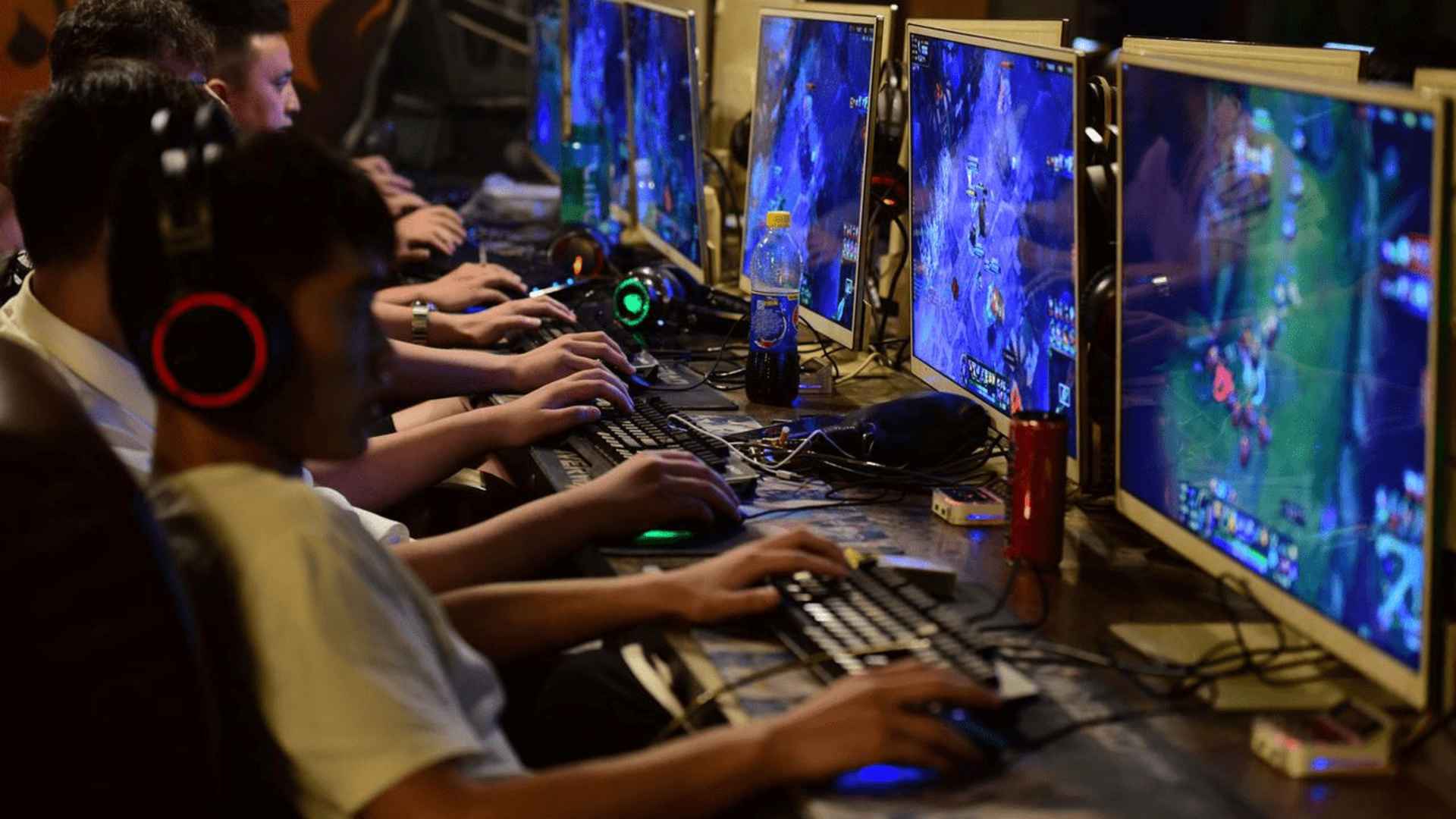
Developing strong cognitive routines is essential for navigating complex professional landscapes and making everyday choices. Modern research suggests that interactive entertainment can serve as an effective tool for sharpening these mental faculties. By engaging with strategic challenges, individuals can build sustainable data-driven mindsets in an enjoyable environment.
The Psychology of Strategic Play
Many modern interactive environments require players to process complex datasets and predict various outcomes simultaneously. This constant mental stimulation helps train the brain to look for patterns and evaluate potential risks before executing a move. Over time, these activities transform passive entertainment into a practical exercise in critical thinking.
Furthermore, regular engagement with modern tactical puzzles helps reduce decision fatigue in real-world scenarios. When players practice managing limited resources under pressure, they develop greater cognitive flexibility and emotional control. This balanced approach allows individuals to approach complicated workplace issues with an improved sense of structural logic.
Evaluating Risk and Probability
Games that incorporate mathematical odds offer a unique way to understand statistical variations without studying dry textbooks. Evaluating potential consequences teaches individuals to balance intuition with concrete probability distributions. This objective mindset helps minimize common cognitive biases that often distort realistic expectations.
Understanding statistical variance is particularly useful when analyzing dynamic trends across competitive digital landscapes. For those looking to study how modern statistical models function in digital environments, utilizing platforms like M88bet can provide a practical space to observe structural outcomes. Developing this systematic habit ensures that decisions are based on data rather than emotional impulses.
Building Systematic Thinking Routines
To turn casual gameplay into a useful cognitive habit, players should focus on tracking their long-term performance metrics. Analyzing past mistakes helps identify specific flaws in reasoning and encourages structural adjustments for future rounds. This reflective process mirrors professional quality assurance practices used across major industries worldwide.
Additionally, alternating between different gaming genres prevents the mind from relying on repetitive, automated solutions. Exploring tabletop puzzles, digital strategy simulations, and resource management systems challenges distinct areas of cognitive processing. This diverse routine ensures that your analytical capabilities remain well-rounded and highly adaptable.
Translating Play Into Professional Value
The ultimate goal of using games for cognitive training is to apply these refined skills directly to career objectives. Problem-solving techniques learned during tactical play can easily be adapted to commercial project management and financial tracking. This seamless transition turns recreational time into a productive investment for personal growth.
Ultimately, nurturing better analytical habits does not require tedious exercises or rigid daily schedules. By embracing complex interactive challenges, anyone can build a sharper mind while participating in engaging entertainment. Consistency remains the key to unlocking these long-term cognitive advantages effectively.